Whether you’re shipping raw metal to a factory or a stuffed animal straight to a customer’s door, all businesses need a logistics partner to run. You’ve probably heard of terms like LTL shipping and multi-carrier shipping before, but if you’re not sure which one is the best shipping for small businesses, you’re in the right place.
We’ll go over the differences between each shipping style below, courtesy of your go-to Northeast logistics company.
What is LTL Shipping?
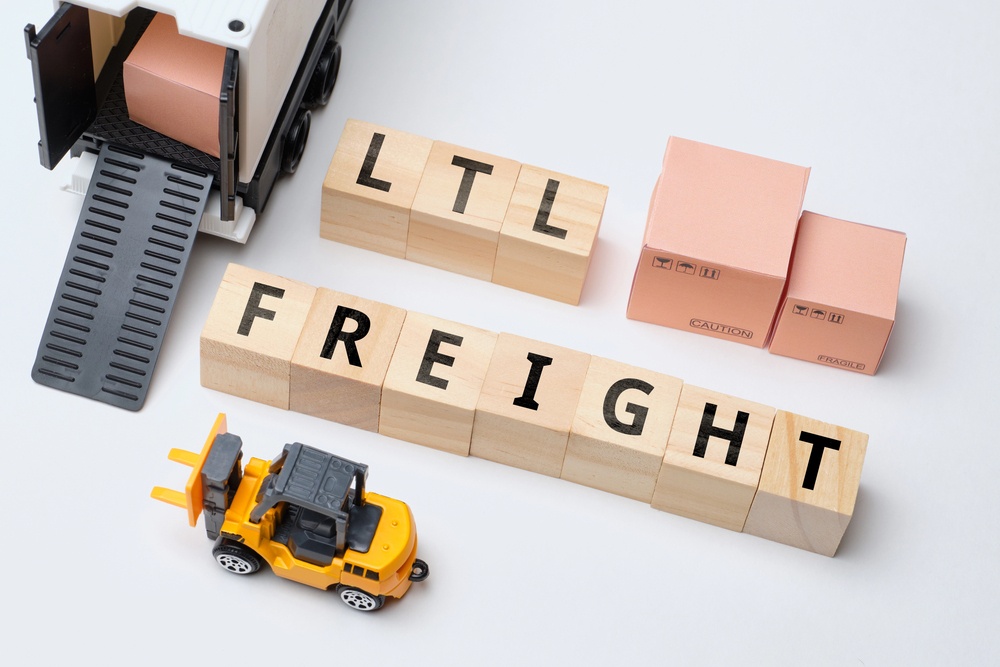
Less than truckload (LTL) is a freight service for smaller shipments that don’t fill a full truck trailer. Your shipment will share the truck space with other palettes from different customers, but you’ll only pay for the space your items take up in the trailer.
Advantages of LTL Regional Shipping
A regional LTL carrier typically uses a single carrier to operate within a specific multi-state service area, like New England. Choosing an LTL carrier that specializes in your local area can give you benefits like:
Cost Savings
Because the carrier consolidates multiple shipments together, you’re effectively sharing the cost with other customers. This makes the cost of LTL shipping much more affordable than a full truckload shipment. It’s a good alternative to full truckload shipping for businesses with a smaller logistics budget.
Good for Larger Shipments
Shipments that travel via LTL are usually on the heavier side, weighing between 150 to 15,000 lbs. This offers a more affordable alternative to full truckload shipping for large-scale freight like pallets, skids, and crates.
One Point of Contact
Rather than coordinating with multiple carriers or using a software platform, regional LTL shipping lets you work directly with a single provider. If you have questions, you know exactly who to call or email.
Faster Shipping
Working with a local carrier means that your freight is closer to its final destination and can get there faster. Regional LTL carriers can actually out-perform national carriers for delivery speeds in their service areas.
Local carriers are also more familiar with your area’s traffic patterns, the fastest delivery routes, and any other challenges that only people close to the
Less chance of damages
Using a single, local carrier means that your freight will pass through fewer terminals. So, you can minimize the chances of damage from unloading, reloading, and handling.
What Is Multicarrier Shipping?
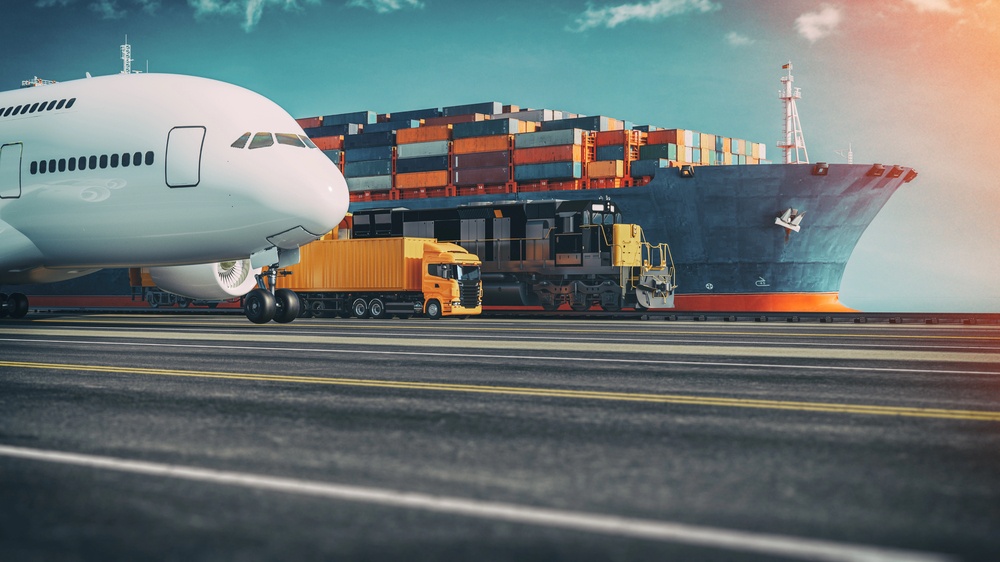
Multicarrier shipping is a logistics strategy that routes the same shipment through multiple couriers to find the best combination of price and speed. Instead of working with a single provider, you can shop different options to find the carriers that
Providers usually use a software management platform to coordinate the shipments through the different carrier and network options.
Why Businesses Use Multi-Carrier Shipping
Multi-carrier shipping offers many unique advantages over other logistics styles, since you’re not limited to a
Shipping Nationally With Multi-Carrier Shipping
Multi-carrier shipping networks aren’t limited to a single service region. Using a multicarrier software allows you to quickly see which national carriers or networks have the best rates and projected delivery times, or which combination would work best.
Good for End-Point Delivery
Since multi-carrier shipping mainly focuses on individual packages weighing less than 150 pounds, this makes it a good solution for direct to customer packages or non-recurring deliveries. You can get a customized solution for every individual package and minimize the chances of delays.
More Resilience With Multi-Carrier Shipping
If you’re worried about supply chain disruptions like labor shortages, bad weather, or demand spikes, multi-carrier shipping ensures you’re not tied down.
Even if a disruption impacts your delivery region, you can look for carriers that have more bandwidth to meet deadlines.
What Are The Main Differences between Regional LTL Shipping and Multi-Carrier Shipping?
Essentially, regional LTL shipping uses a single provider that serves only a handful of states. They concentrate all of their vehicles and personnel to serve one region, which can give them an advantage over a specific geographic area or market.
Multi-carrier shipping coordinates with several different carriers or logistics companies across the country to find an optimized route for each individual shipment.
You can compare the two in the following table.
| Shipping Element | Regional LTL Shipping | Multi-Carrier Shipping |
| Average Shipment Size | 150-15,000 lbs | Under 150 lbs |
| Coverage Area | Regional | Nationwide |
| Number of Carriers | One | Multiple |
| Best For | Pallets and freight | Parcels and ecommerce |
| Point of Contact | Single provider | Multiple networks |
| Transit Speed | Fast within region | Varies |
Which Shipping Solution Is Best for Small & Growing Businesses?
That depends on your business goals!
LTL shipping is typically the better choice if you mainly deal with larger palettes and your deliveries are concentrated within a specific region, like the Northeast or Midwest. It makes the most sense for businesses like:
- Manufacturers shipping raw materials for production
- Wholesale suppliers
- Construction or building material companies
On the other hand, multi-carrier shipping is ideal for shipments that are under 150 pounds, need to travel nationwide, or
- E-commerce stores
- Subscription box companies
- DTC brands
Work With A Northeast Logistics LTL Carrier For Regional or Multi-Carrier Shipping
If you’re ready to work with a regional LTL carrier serving the Northeast United States, N&D Transportation is here to help.
From our Rhode Island distribution center, we ship directly throughout the New England area, including states like Massachusetts, Connecticut, New Jersey, New York, and Maine. You can count on us to give you the best rates with the fastest delivery times in the region.
We also offer common-contact brokerage authority throughout the US, meaning we can also give you many of the same advantages of multicarrier networks, without the confusion or hassle of dealing with multiple points of contact.
Contact us today to get the best of both worlds with your logistics provider