
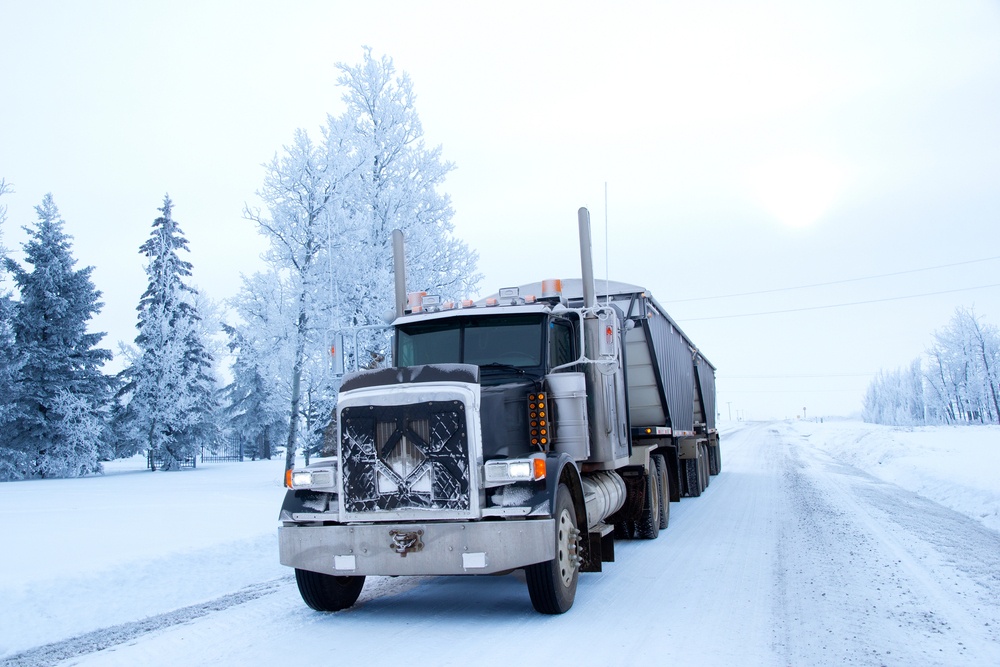
Winter trucking in the Northeast requires careful planning to protect freight from freezing temperatures, moisture, and road salt. For businesses shipping throughout Rhode Island and New England, weather disruptions can increase transit times and leave sensitive products exposed to conditions their packaging was never designed to handle. Choosing appropriate protective materials, coordinating loading schedules, and communicating temperature requirements with your carrier can help reduce damage and keep deliveries moving safely.
Table of Contents:
- What Winter Trucking in New England Demands
- Managing Winter Trucking Cold Hazards and Salt Spray
- Packaging Strategies for Winter Trucking
- Loading and Dock Staging for Winter Trucking
- Handling Route Delays in Winter Trucking
- Carrier Solutions for Winter Trucking
- Wrapping Up Your Winter Trucking Strategy
What Winter Trucking in New England Demands
Moving commercial cargo across the Northeast during winter involves more than watching the forecast at the pickup location. A shipment may leave a dry warehouse in Rhode Island and encounter freezing rain in Connecticut or snow-covered roads in Massachusetts. Conditions at transfer terminals and the final delivery location matter just as much as conditions at departure.
Several regional challenges deserve attention:
- Abrupt weather shifts: Falling temperatures can create icy roads and force drivers to reduce speeds, extending the time freight spends in transit.
- Road treatments: Salt and brine help maintain road access, but residue can accumulate on trucks, trailers, and exposed equipment. Cargo may also encounter contaminated moisture during outdoor handling or when trailer seals are damaged.
- Travel restrictions: Severe storms can prompt state authorities to restrict certain commercial vehicle movements. Dispatch teams should check current restrictions along the entire route.
- Busy regional corridors: Congestion around population centers can compound weather delays and disrupt scheduled loading and unloading appointments.
- Changing receiving conditions: A customer’s facility may close early, delay opening, or lack safe dock access after heavy snowfall.
Building winter weather preparedness into shipping schedules helps teams identify these problems before freight leaves the warehouse. Experienced Northeast trucking companies can help shippers evaluate routing and service options, but they need accurate information about the cargo and its delivery requirements.
Managing Winter Trucking Cold Hazards and Salt Spray
Cold exposure and road salt present different risks, so they require different protective measures. Temperature-sensitive products may need insulation or an actively heated transportation service, while exposed metal surfaces and packaging may need protection from contaminated moisture.
Some liquids, coatings, and adhesives can become unusable after freezing, even if their containers remain intact. Other products have acceptable temperature ranges that are well above freezing. The manufacturer’s storage and transportation specifications should guide the shipping plan.
Before scheduling a shipment, establish:
- The product’s minimum and maximum acceptable temperatures.
- Whether brief temperature excursions are permitted.
- How long the planned packaging can protect the product under expected conditions.
- Whether transfers, outdoor staging, or overnight layovers are likely.
- What inspection or temperature records the receiver requires.
Salt exposure needs a separate assessment. Road salt damage commonly affects vehicle components and exposed metal surfaces; it should not be treated as an inevitable threat to cargo inside an intact, enclosed trailer. However, damaged seals, outdoor loading, and wet handling equipment can create pathways for contaminated moisture.
Regular cleaning and maintenance help reduce corrosion associated with road treatments. For shippers, clean loading areas, intact packaging, and a dry trailer interior provide additional protection against salt-contaminated water reaching freight.
Packaging Strategies for Cold Weather
Standard stretch wrap helps stabilize a pallet, but it is not a substitute for thermal insulation or a properly specified temperature-controlled service. Effective packaging should address the product’s temperature sensitivity, moisture exposure, weight, and expected handling.
- Thermal pallet covers: Properly selected thermal pallet covers can slow heat transfer and help limit short-term exposure during loading and unloading. Their effectiveness depends on the material, fit, starting product temperature, and duration of exposure.
- Insulating blankets: Insulated shipping blankets can provide another layer of protection for suitable freight. They do not generate heat, so extended cold exposure can still bring the cargo below its acceptable temperature.
- Pallet deck protection: Suitable deck sheets can protect cartons from gaps, protrusions, and contact with dirty pallet surfaces. Do not assume a standard corrugated sheet provides meaningful freeze protection.
- Moisture barriers: Appropriate liners, bags, or pallet covers can reduce water exposure. Select materials and closure methods that suit the product rather than assuming stretch wrap creates a waterproof seal.
- Corner and edge protection: Corner boards and other protective components can help distribute strapping pressure and reduce packaging damage during handling.
- Temperature monitoring: For sensitive shipments, consider a suitable temperature indicator or data logger to document conditions and support receiving decisions.
Effective freight damage prevention starts with matching the packaging to the actual shipment. A short regional trip and a multiday journey with terminal transfers may require different solutions, even when they carry the same product.
Safe Loading and Dock Staging
A shipment’s exposure begins before the truck leaves the facility. Freight staged beside an open dock door or left outside waiting for pickup can lose valuable thermal protection before transit starts.
Keep sensitive products in an appropriate indoor environment until the trailer and loading team are ready. Coordinate pickup times so freight moves directly from storage to loading whenever possible.
Before loading, inspect the trailer for water intrusion, damaged door seals, debris, and visible defects. Report concerns to the carrier and resolve them before placing vulnerable products inside. Damaged seals can admit moisture and cold air, while accumulated salt residue can contribute to road salt corrosion on exposed metal components.
For shipments booked with heated or temperature-controlled service, confirm the required operating conditions and preparation procedures with the carrier. Simply backing an unheated trailer against a warm warehouse does not establish reliable temperature protection.
Loading practices should also include:
- Securing freight in accordance with applicable cargo securement requirements.
- Using a load plan that accounts for weight distribution, product compatibility, and any required airflow.
- Avoiding unnecessary contact between sensitive packaging and wet or cold surfaces.
- Keeping labels and handling instructions visible.
- Recording the shipment’s condition before departure.
These steps support cargo protection while giving the carrier and receiver a clear record of how the freight was prepared.
Handling Route Delays in Winter Trucking
Winter storms can extend transit times, disrupt terminal operations, and prevent receivers from accepting deliveries. A useful contingency plan accounts for both the delay itself and the conditions the freight may experience while waiting.
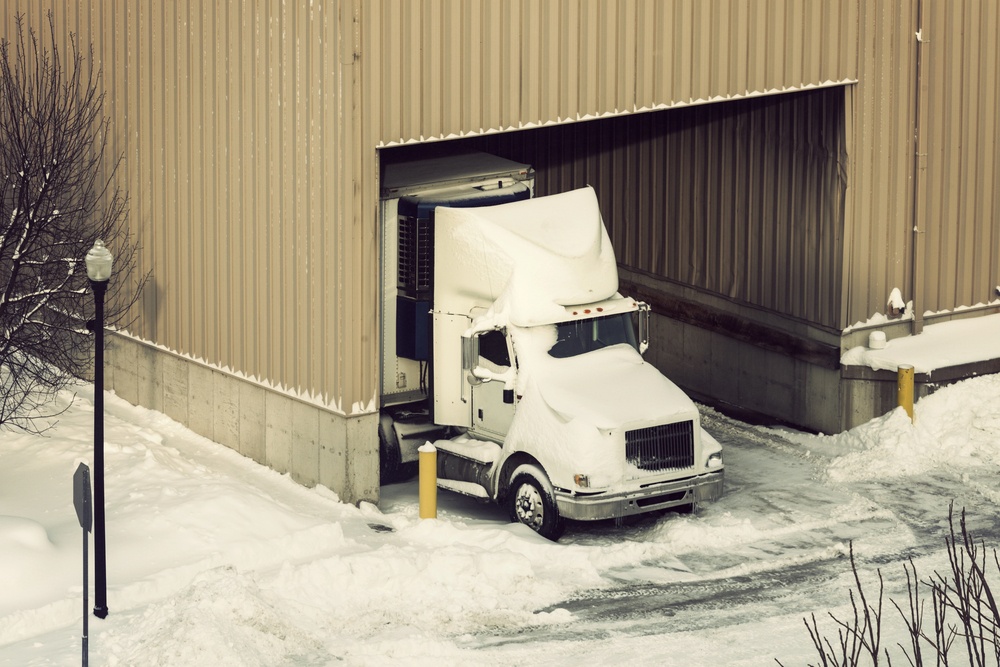
- Check conditions across the route. Incorporate Rhode Island winter driving considerations into local planning, and check current forecasts, traffic alerts, and restrictions for every state the shipment will cross.
- Build realistic scheduling flexibility. Discuss delivery buffers with the receiver based on the route, forecast, and product sensitivity. A flexible appointment helps only if the freight can remain protected during the additional transit time.
- Confirm layover procedures. Ask your trucking company where sensitive freight would be held during an unexpected shutdown and what temperature protection would remain available.
- Understand terminal handling. Smaller shipments may pass through transfer facilities. Confirm how the carrier handles temperature-sensitive freight during unloading, staging, and reloading.
- Set communication expectations. Identify who will communicate revised arrival times, facility closures, and changes to receiving appointments. Ask what tracking or shipment updates are available.
- Consider regional inventory placement. Holding selected products closer to customers can shorten final delivery distances and reduce exposure to long-haul disruptions.
Strong winter logistics planning also includes clear instructions for the receiver. If a shipment arrives with wet packaging, visible damage, or a temperature alert, receiving staff should document the condition and follow the product supplier’s evaluation procedures before accepting it into usable inventory.
Carrier Solutions for Winter Trucking
The right transportation arrangement depends on shipment size, product requirements, and the amount of handling involved. Businesses comparing New England trucking companies should ask specific questions about available services rather than assuming every carrier provides the same winter protection.
Choosing LTL or Truckload Shipping for Winter Trucking
LTL shipping, or less-than-truckload shipping, allows smaller shipments to share trailer space with freight from other businesses. It can be a practical option for a few pallets or crated items, but the route may include terminal transfers and additional handling.
Truckload shipping generally dedicates the trailer to one customer’s shipment and may reduce intermediate handling. However, a dedicated trailer is not automatically heated or temperature controlled. Any special temperature requirement must be discussed when arranging the service.
N&D’s freight shipping services include LTL and truckload options, along with heated and temperature-controlled services for sensitive freight. Confirm the appropriate service for the specific product, lane, and expected weather before booking.
When discussing freeze protection shipping, provide the product’s actual temperature limits. A general request to “keep from freezing” may not adequately describe a product that must remain above a higher minimum temperature. Ask how protection applies during transfers, delays, and delivery, and review any service conditions or exclusions.
Warehousing and Regional Planning for Winter Trucking
Storage is another part of the winter shipping plan. N&D’s climate controlled warehousing provides heated, indoor storage that can support inventory staging and distribution. Confirm that the available storage conditions match the product’s requirements, particularly when a narrow temperature range is necessary.
Businesses evaluating Rhode Island trucking companies should also consider how a provider’s service areas align with their suppliers, customers, and distribution locations. Regional coverage can support coordinated pickups and deliveries, while nearby storage may help reduce unnecessary movement during disruptive weather.
Reliable freight transportation depends on coordination between the shipper, carrier, warehouse, and receiver. Sharing temperature limits, appointment details, and contingency instructions early helps each party prepare for the same conditions.
Wrapping Up Your Winter Trucking Strategy
Successful winter freight shipping starts before cargo reaches the loading dock. Appropriate packaging, controlled staging, realistic scheduling, and clear carrier communication can reduce exposure to cold, moisture, and salt while helping businesses respond to unexpected delays.
N&D’s transportation and warehousing services give New England businesses options for planning seasonal freight movements around their product requirements. Contact N&D Transportation to discuss your winter shipping needs, confirm available protective services, and request a freight quote.