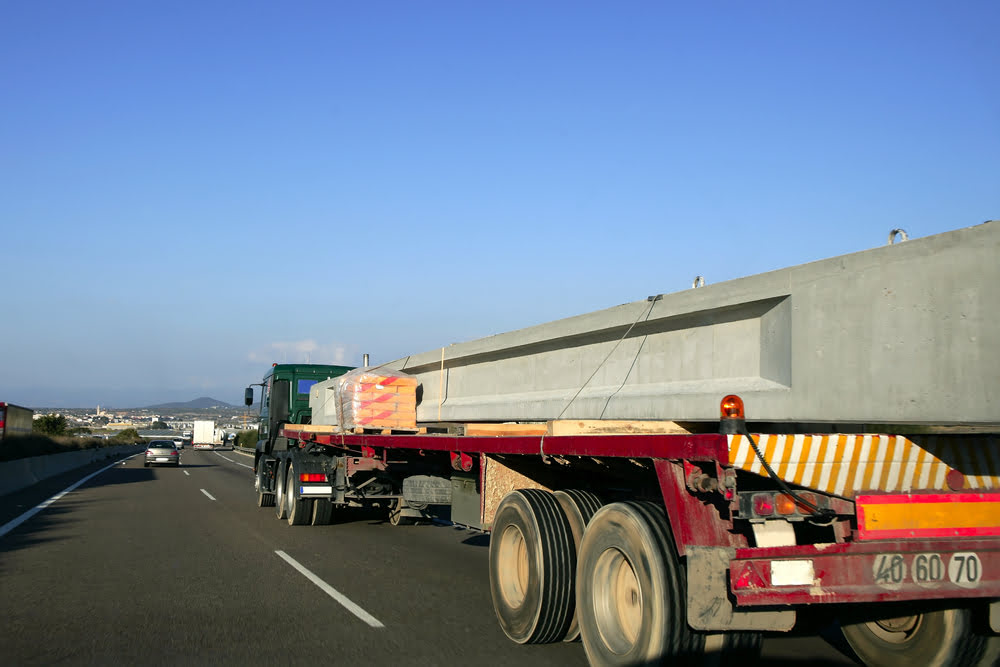
Successful heavy hauling starts well before a truck arrives. First, planning for machinery transport means knowing the load and the sites involved. Accurate measurements and the right transport equipment help protect the machinery. In addition, route planning and clear loading plans help reduce delays.
For businesses across Rhode Island and New England, the transport plan must fit the shipment. Not every machine requires an oversize permit, and not every carrier or trailer can accommodate every load. Therefore, checking those details early helps set a realistic budget and schedule.
Table of Contents
- Understanding Dimensions and Weight for Heavy Hauling
- Heavy Hauling Route Planning and Oversized Load Permits
- Selecting Equipment for Heavy Hauling
- Loading and Securement for Heavy Hauling
- Managing Heavy Hauling and Equipment Shipping Costs
- Coordinating Your Heavy Hauling Schedule
- Finalizing Your Heavy Hauling Plan
Understanding Dimensions and Weight for Heavy Hauling
Before requesting a quote, gather accurate details about the equipment as it will be shipped. Include packaging, attachments, and any parts that extend beyond the main body.
Useful shipment details include:
- Equipment make, model, and description.
- Length, width, height, and weight.
- Photographs from several angles.
- Attached accessories or modifications.
- Whether the equipment can move under its own power.
- Manufacturer guidance for lifting, handling, and transport.
- Pickup and delivery addresses, including site access information.
Manufacturer specifications can provide a starting point. However, they may not account for changes or added parts. So, check the measurements rather than relying on the original figures.
How Loaded Dimensions Affect Heavy Hauling
The machine’s height alone does not determine whether it can clear a bridge. Instead, the carrier must check the full loaded height, including the trailer and any supporting materials.
Similarly, weight planning involves more than the machine’s weight. The truck, trailer, equipment, and weight across the axles all affect the transport plan.
This distinction is especially important for heavy equipment transportation. A shipment may be overweight without being oversized, oversized without being overweight, or both. Each condition can affect equipment selection, permitting, and routing.
Heavy Hauling Route Planning and Oversized Load Permits
A route that works for ordinary freight may not be suitable for oversized freight. For example, bridge limits, overhead clearances, and construction zones can affect the route. Turning space and local access roads also matter.
For oversized load transport, the shortest route is not necessarily the appropriate one. Instead, the carrier needs a route that fits the loaded vehicle and meets the permit conditions.
When Rhode Island Requires Permits
RIDOT explains that a permit is required when a vehicle exceeds applicable legal size or weight limits. For example, its published limits include widths greater than 8 feet 6 inches and heights greater than 13 feet 6 inches. Length, overhang, axle-weight, and gross-weight limits also apply.
Permit types, application details, and the need for escorts or route surveys depend on the shipment, as outlined in the Rhode Island oversize load regulations and FAQs.
Oversized load permits must match the actual vehicle and shipment. If the equipment, dimensions, or route changes, the carrier should confirm whether the permit needs revision before moving.
For an interstate shipment, also check the rules in each state along the route. Do not assume a Rhode Island permit authorizes the entire New England trip.
Checking Route Conditions Before Heavy Hauling
Current Rhode Island truck restrictions, bridge clearances, and travel limitations can affect whether a proposed route is suitable for the loaded vehicle.
Route planning should also account for the final approach to the property. For example, a load that fits on a highway may face a narrow entrance or tight turn at the site. Low overhead objects or limited unloading space can also cause problems.
If the route changes during transit, the carrier should check the permit terms before taking another road. Ordinary navigation directions are not a substitute for an approved route.
Selecting Equipment for Heavy Hauling
Trailer selection depends on loaded dimensions, weight distribution, access, and how the machine will be loaded and secured. Suitable equipment also needs adequate capacity for the specific load.
Some machinery can travel as crated or palletized freight. However, larger or oddly shaped machines may need specialized open-deck equipment. Heavy hauling can involve additional planning for axle configurations, route approval, and handling arrangements.
The right choice should be made with the carrier after reviewing the shipment. A trailer description alone does not establish that it can safely handle a particular machine.
Confirm the Scope of Machinery Transport Services
When comparing machinery transport services, clarify which responsibilities are included. Transportation, rigging, crane work, loading, unloading, and installation may be separate services provided by different companies.
N&D Transportation’s trucking services include freight carrier and logistics brokerage options, with less-than-truckload and full-truckload service. Its published fleet information includes dry vans and liftgate services. Sharing your equipment details helps the team assess which options fit your shipment. Before booking a specialized move, confirm the trailer and handling plans. Also, ask whether N&D equipment or a partner carrier would handle the move.
Loading and Securement for Heavy Hauling
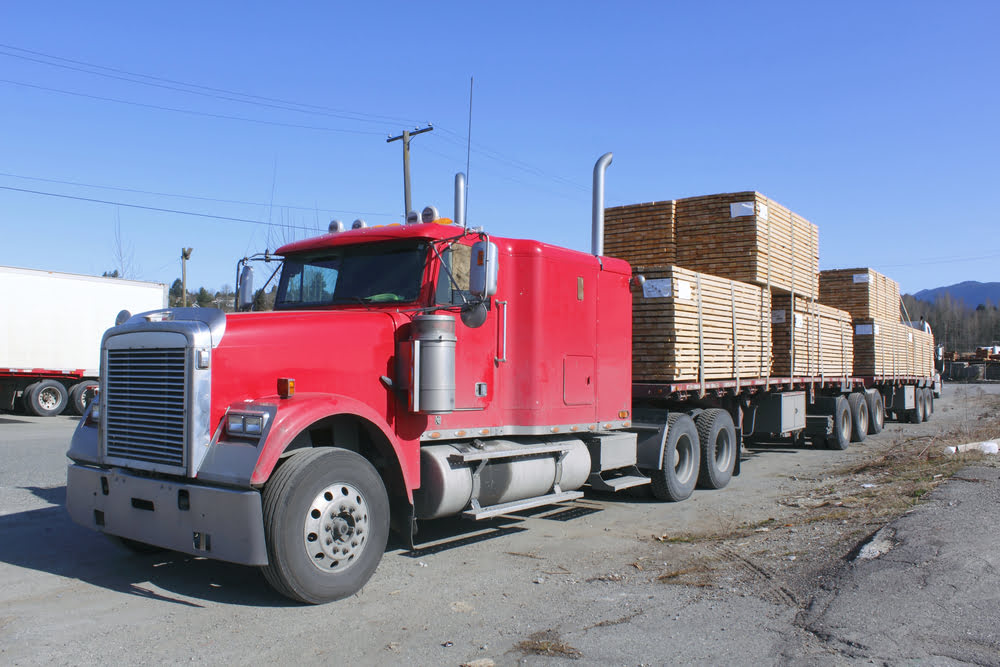
Loading and unloading need their own plan. Qualified staff should coordinate these tasks. They need equipment suited to the machine’s weight, shape, and designated lifting points.
Before pickup, confirm:
- Who is responsible for loading and unloading.
- Whether cranes, forklifts, ramps, or rigging are needed.
- The rated capacity of the handling equipment.
- Site conditions, including the work area and supporting surfaces.
- How workers and other site traffic will be kept clear.
- Whether the receiving location has equivalent unloading arrangements.
Do not assume that a liftgate or forklift will be suitable simply because it is available. Instead, check capacity, load dimensions, and the center of gravity.
Applying the Correct Securement Requirements
Securement must prevent cargo from shifting or falling during transport. The appropriate method depends on the machinery, its weight, available attachment points, and applicable rules.
Under the FMCSA cargo securement rules, the requirements depend in part on the cargo type. Section 393.130 addresses heavy vehicles, equipment, and machinery operating on wheels or tracks that individually weigh 10,000 pounds or more.
However, that provision is not the only rule for all industrial machinery. Stationary equipment and lighter machines may be subject to different or general securement requirements.
The carrier should determine the required securement system, including appropriate tiedowns, anchor points, blocking, and protection for the cargo. A general checklist cannot replace a load-specific assessment.
Document Condition Before Departure
Photograph the equipment before loading and record existing damage or missing components. Also, keep a list of attachments and accessories shipped separately.
For heavy machinery shipping, discuss how to protect sensitive parts. Also, check the manufacturer’s guidance for any prep work. Qualified staff should disconnect, take apart, or immobilize equipment as needed.
At delivery, compare the equipment with the shipping records and document any visible concerns promptly.
Managing Heavy Hauling and Equipment Shipping Costs
Heavy equipment shipping costs reflect more than mileage. Therefore, a useful quote should state what the transport service covers. It should also explain any extra services or charges.
Common cost factors include:
- Equipment dimensions, weight, and shipping configuration.
- Trailer type and availability.
- Route length and complexity.
- Permit applications and route surveys.
- Required escorts or specialized reviews.
- Loading, unloading, and rigging arrangements.
- Waiting time, storage, or additional handling.
- Scheduling changes and restricted travel windows.
Ask whether permits, escorts, and handling are included or quoted separately. Also clarify how delays at pickup or delivery could affect the final invoice.
Clarify Cargo Coverage and Liability
For valuable industrial freight, discuss declared value, cargo coverage, and liability terms before confirming the move. Do not assume the transportation price includes protection equal to the equipment’s full replacement value.
Also, ask which records you would need if damage occurs. Discuss whether extra coverage is needed. Clear terms help prevent misunderstandings after the shipment is underway.
Coordinating Your Heavy Hauling Schedule
An industrial equipment relocation often involves several teams: the shipper, carrier, equipment technicians, riggers, and receiving staff. Therefore, their schedules need to match the approved travel plan.
Permit review, escort availability, weather, construction, and travel restrictions can affect the departure window. For this reason, do not assume that oversize loads must travel at night or can move at any time. The applicable rules and permit conditions determine when travel is allowed.
For industrial freight shipping, build a timeline that includes equipment preparation, loading, transit, unloading, and any work needed before the machinery returns to service.
Plan Pickup and Delivery Together
Before dispatch, confirm site contacts, operating hours, appointment requirements, and access instructions at both ends of the trip.
The receiving team should know when the shipment is due. They also need space, staff, and handling equipment ready. Otherwise, even a truck that arrives on time can face a long unloading delay.
For moves within N&D Transportation’s service areas, confirming the exact origin and destination helps the team evaluate access and scheduling. However, regional coverage is only a starting point. The team still needs to confirm that the service fits the machine.
Finalizing Your Heavy Hauling Plan
Planning a heavy hauling move? N&D Transportation can review your machinery transport needs and discuss suitable shipping options. Have your equipment’s dimensions, weight, photographs, pickup and delivery locations, and preferred dates ready. Also, include any special loading or handling requirements so the team can assess your shipment.
Whether you’re moving a single machine or coordinating an industrial equipment relocation, clear details help N&D evaluate the move and prepare appropriate pricing.
Contact N&D Transportation today to request a quote, or call 401-762-3337 to discuss your shipment.