Whether you’re shipping car parts or plushies, you need competitive, fair shipping rates that work for your business. Carriers use the NMFC’s freight class system to assign all your items to a standard shipping class and calculate your final rate – and a misclassification can leave you with surprise fees later.
Below, learn more about what freight class is, how it affects your shipping rate, and how to get the best prices possible, courtesy of a New England freight carrier.
What Is Freight Class?
Freight class is a standardized system used to classify less-than-truckload (LTL) freight. The National Motor Freight Classification (NMFC) uses an 18-tier system to group shipments traveling within the United States and abroad.
The tiers start at 50 (the least expensive) and range up to 500 (the most expensive).
Having a standardized system gives carriers a clear way to reference the time, effort, and cost required to ship an item, allowing them to calculate a fair rate and pass it on to their customers.
How Do You Determine Freight Class?
The NMFC system uses four different characteristics for classification codes for shipping
- Density: The weight-to-volume ratio of a shipment. It compares the weight of an item with the space it takes up in a truck or shipping container.
- Handling: Measures how difficult an item will be to load and unload. Bulky or oddly-shaped items have higher classifications, and so do hazardous items that need special handling.
- Stowability: Looks at how well an item can travel with other items. Freight that fits into stackable boxes and palettes tends to have lower classes, and so do non-perishables.
- Liability: The likelihood of something happening to freight during shipping, such as whether or not it’s likely to be stolen or damaged. Chemicals, explosives, and flammable items all carry higher liability.
How Freight Class Affects Your Shipping Costs
An item’s freight class will directly impact your shipping rates from carriers, since items with lower class numbers also have lower costs per pound to ship.
For example, small, dense items tend to have a more affordable freight class than large, lightweight items. This is because small and heavy items are generally easier to pack and handle than lightweight or fragile items.
Therefore, knowing the freight class from the start also helps you avoid added fees later. If a shipment goes out with a lower freight classification than it should, your carrier may charge a reclassification fee, which leaves you paying a higher shipping rate than your initial quote.
How to Find the Freight Class Code of Your Shipment
You can get a basic idea of how much your freight will cost to ship by calculating the density. Multiply height x width x depth to get the number of cubic feet. Then, divide your package’s weight in pounds by the cubic feet.
The smaller and denser the result, the lower your freight classification number is likely to be. Packaging, perishability, and hazardousness also play a role. Anything with a shelf life will have a higher shipping class, and so will shipments that need special handling or carry a liability risk.
You can see the typical classes, weight volumes, and cost ranges for common shipping commodities in the freight classification chart below.
| Cost Range | Freight Class Numbers | Weight Density per Cubic Foot | Common Items |
| Lowest | 50–85 | 15-50 pounds or higher | Nuts & bolts, ceramic tiles, car parts, steel rods, hardwood flooring, heavy machinery parts, cast iron products, copper wire |
| Average | 92.5–125 | 8–15 pounds | Appliances, power tools, small engines and motors, cabinets, restaurant equipment, automotive accessories, packaged hardware |
| High | 150-200 | 4–8 pounds | Computers, TVs, office furniture, sheet metal, wooden crates, medical equipment |
| Most Expensive | 250–500 | 4 pounds or lower | Ping pong balls, kayaks, pre-assembled furniture, lampshades, stuffed animals, antiques, low-density foam |
To get the most precise rates possible, it’s best to work with a third-party logistics company (3PL). 3PLs have access to industry lookup tools like The NMFC’s ClassIT system, which lets them easily lookup the classifications and get a more accurate rate.
How to Get the Best Rates For Your Shipping Class
If your freight is in one of the higher classes, you’re not necessarily locked into an unaffordable shipping rate. Luckily, there are ways to lower your overall freight class or potentially get a better rate on higher-class shipments, like trying the following three ideas.
Reassess Packaging
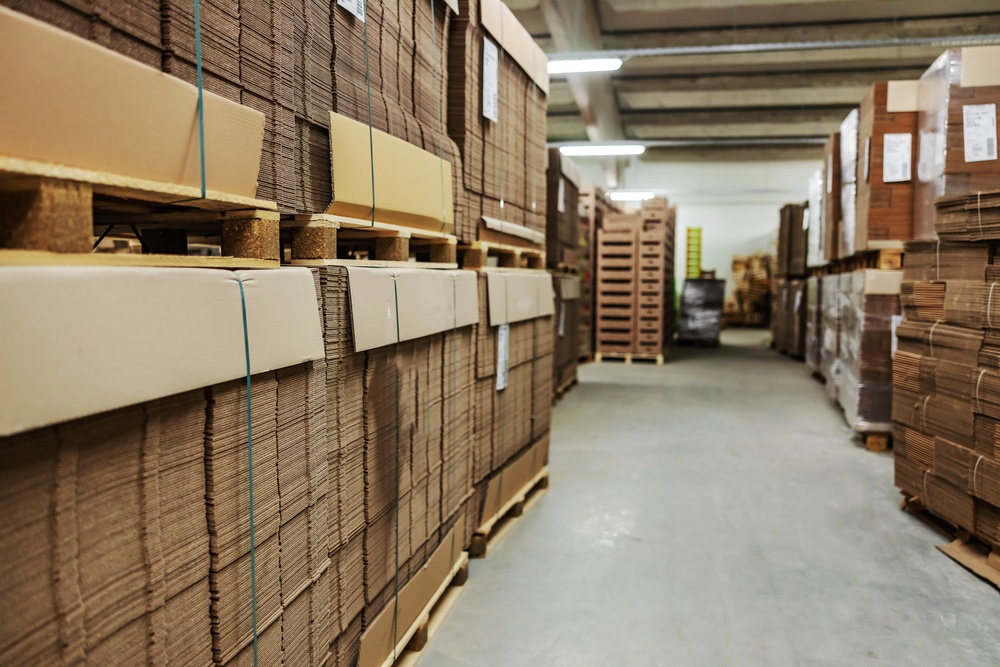
Prioritizing packing your items into stackable boxes and standardized palettes can put you in a lower freight class than keeping them in odd-shaped containers or wrappings.
Packing as much as you can safely fit into moderately sizes containers helps you take up less space on a truck, and lowers the overall cost of your shipment.
Consolidate Shipments in Freight Class
Rather than using multiple, smaller shipments, you can often get better rates by consolidating your freight into as few truckloads as possible. Often, carriers will give you a discounted rate when you ship more than one item at once.
If you have to ship a higher volume of items to a single location, you can consider truckload (TL) shipping for a better rate.
Seek Multiple Quotes
Don’t settle for the first quote you get from a shipping carrier. It can pay to shop around for multiple quotes until you find the right balance of affordable rates, speed, and customer service for your business.
Get the Best Rates With a Local Rhode Island Shipping Company
If you’re ready to work with a 3PL that makes freight class shipping easy, N&D Transportation is ready to give you the best prices for your freight class.
Our Rhode Island-based distribution center gives us central access to the main roadways that link New England. We offer direct distribution throughout the New England area, and national and international shipping with the help of our freight partners.
You can trust us to give you fair, accurate freight classes and shipping rates from the start, so you won’t have any surprises down the line. Contact us today for a rate quote on your next LTL shipment.